
💎 Lab-Grown Diamonds
Discover the science, beauty, and value of diamonds created with cutting-edge technology
What Are Lab-Grown Diamonds?
Lab-grown diamonds are real diamonds created in controlled laboratory environments using advanced technological processes that mimic the natural diamond formation process. These diamonds possess the same physical, chemical, and optical properties as mined diamonds, consisting of pure carbon atoms arranged in a crystal lattice structure.
Created through either High Pressure High Temperature (HPHT) or Chemical Vapor Deposition (CVD) methods, lab-grown diamonds are chemically identical to natural diamonds and exhibit the same brilliance, fire, and scintillation that make diamonds so captivating.
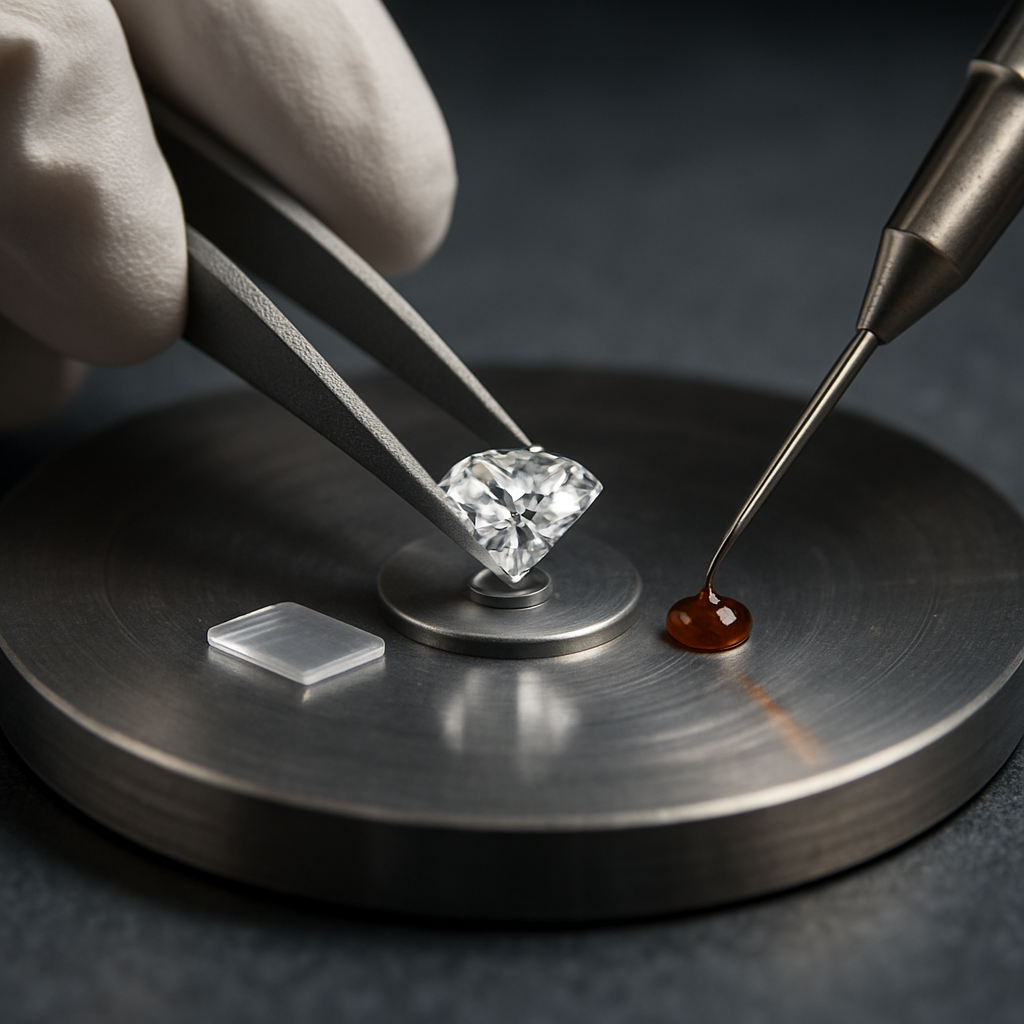
How Are Lab-Grown Diamonds Created?
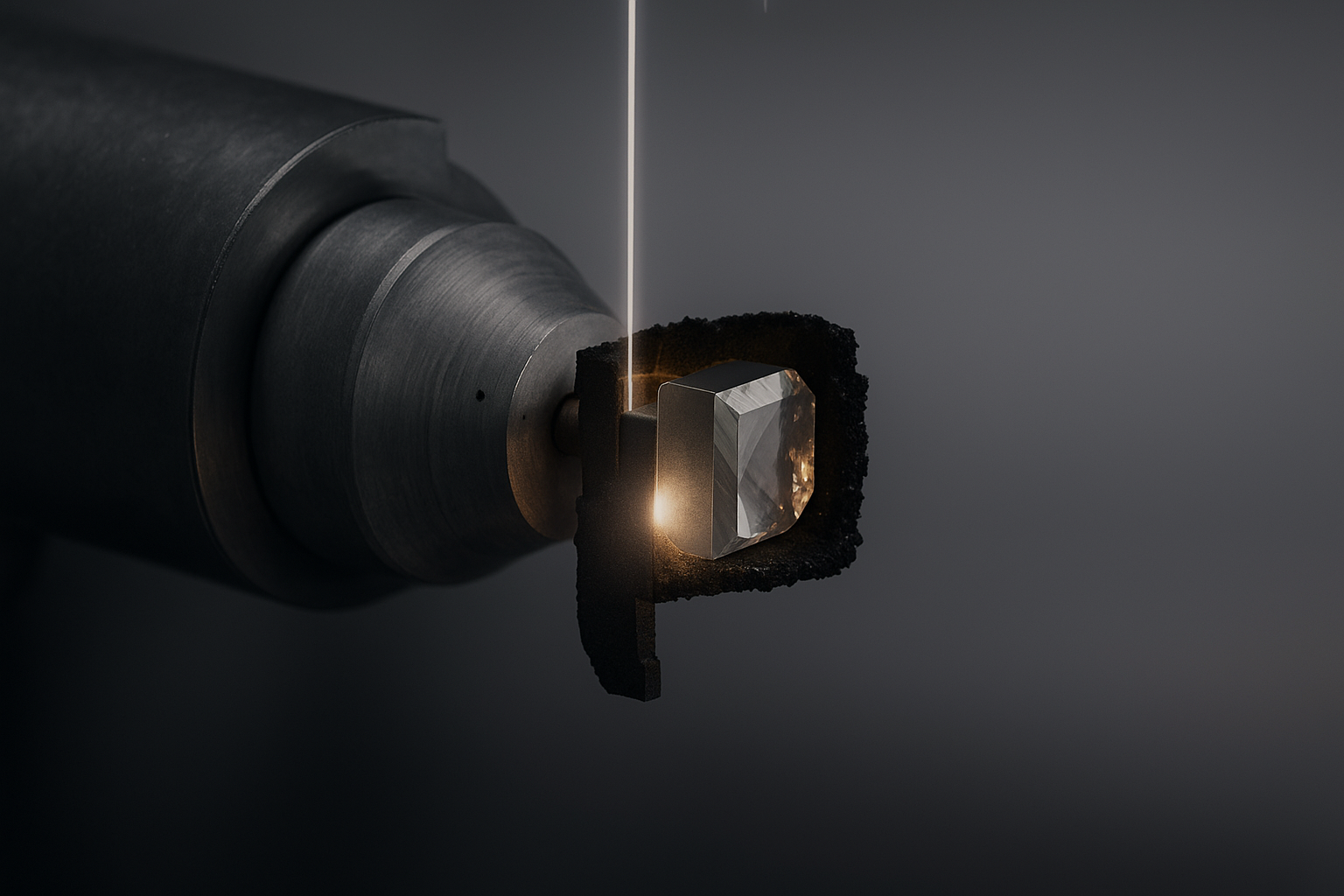
HPHT Method (High Pressure High Temperature)
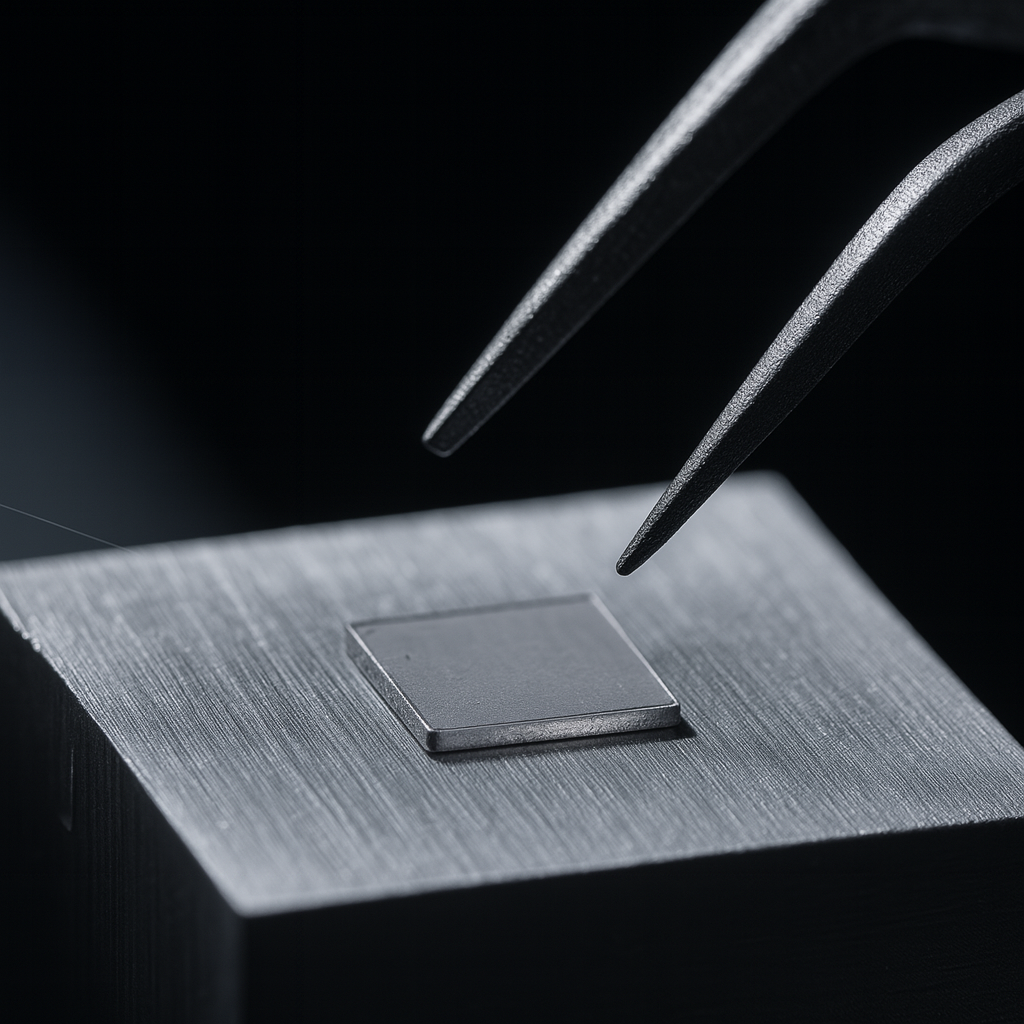
The HPHT method replicates natural diamond formation by subjecting carbon to extreme conditions. A diamond seed is placed in a chamber with carbon source material, then subjected to pressures exceeding 1.5 million pounds per square inch and temperatures of 2,700-3,000°F. Metal catalysts help facilitate the carbon crystallization process. Growth occurs over 2-6 weeks, with larger diamonds requiring longer periods.
CVD Method (Chemical Vapor Deposition)
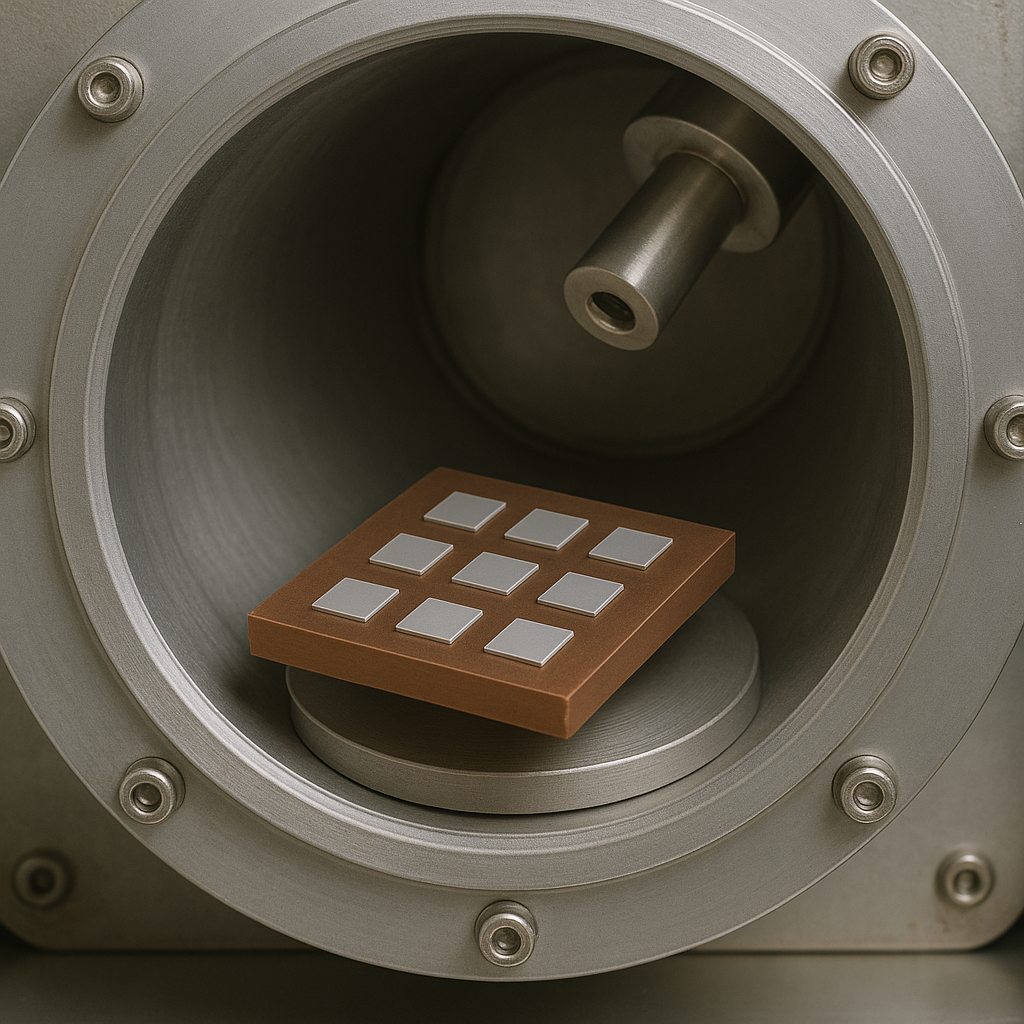
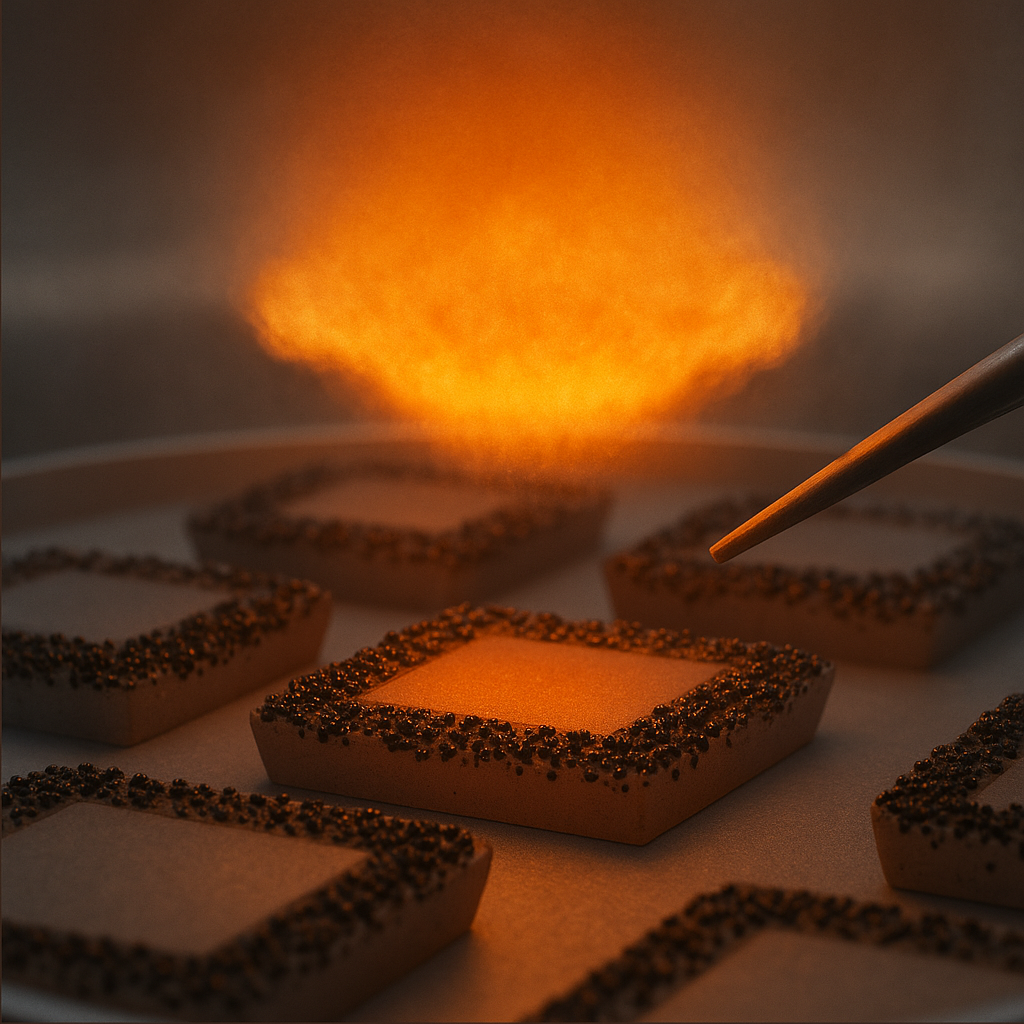
The CVD process begins with a diamond seed placed in a vacuum chamber. Hydrocarbon gases (typically methane) are introduced and heated to 1,500-2,000°F using plasma or hot filament activation. Carbon atoms separate from the gas and deposit onto the seed in crystalline layers, building the diamond atom by atom. This method offers precise control over diamond characteristics and can produce exceptionally pure stones over 4-12 weeks.
Quality Control During Growth
Throughout the growth process, advanced monitoring systems track temperature, pressure, and gas composition. Skilled technicians make real-time adjustments to optimize crystal quality. Growth chambers are maintained in ultra-clean environments to prevent contamination that could affect diamond purity and color.
Lab-Grown vs. Natural Diamonds
🔬 Lab-Grown Diamonds
Origin: Created in controlled laboratory environments
Time: Weeks to months to create
Environmental Impact: Lower environmental footprint
Cost: 30-50% less expensive
Quality: Consistent, high-quality results
Availability: Readily available in various sizes
🌍 Natural Diamonds
Origin: Formed deep within Earth's mantle
Time: Billions of years to form
Environmental Impact: Requires mining operations
Cost: Traditional market pricing
Quality: Varies based on natural formation
Availability: Limited by mining and discovery
Benefits of Lab-Grown Diamonds
Lab-grown diamonds offer 30-50% savings compared to natural diamonds of equivalent quality, allowing you to maximize your budget for size and quality.
Created without mining, lab-grown diamonds have a significantly lower environmental impact and carbon footprint.
Completely transparent supply chain ensures conflict-free diamonds with no concerns about mining practices.
Controlled creation process often results in diamonds with fewer inclusions and better consistency than natural stones.
Advanced technology allows for creation of specific colors, sizes, and characteristics to meet your exact preferences.
Graded by the same prestigious institutions (GIA, IGI) using identical standards as natural diamonds.
Jewelry Manufacturing Process
From Diamond to Finished Jewelry
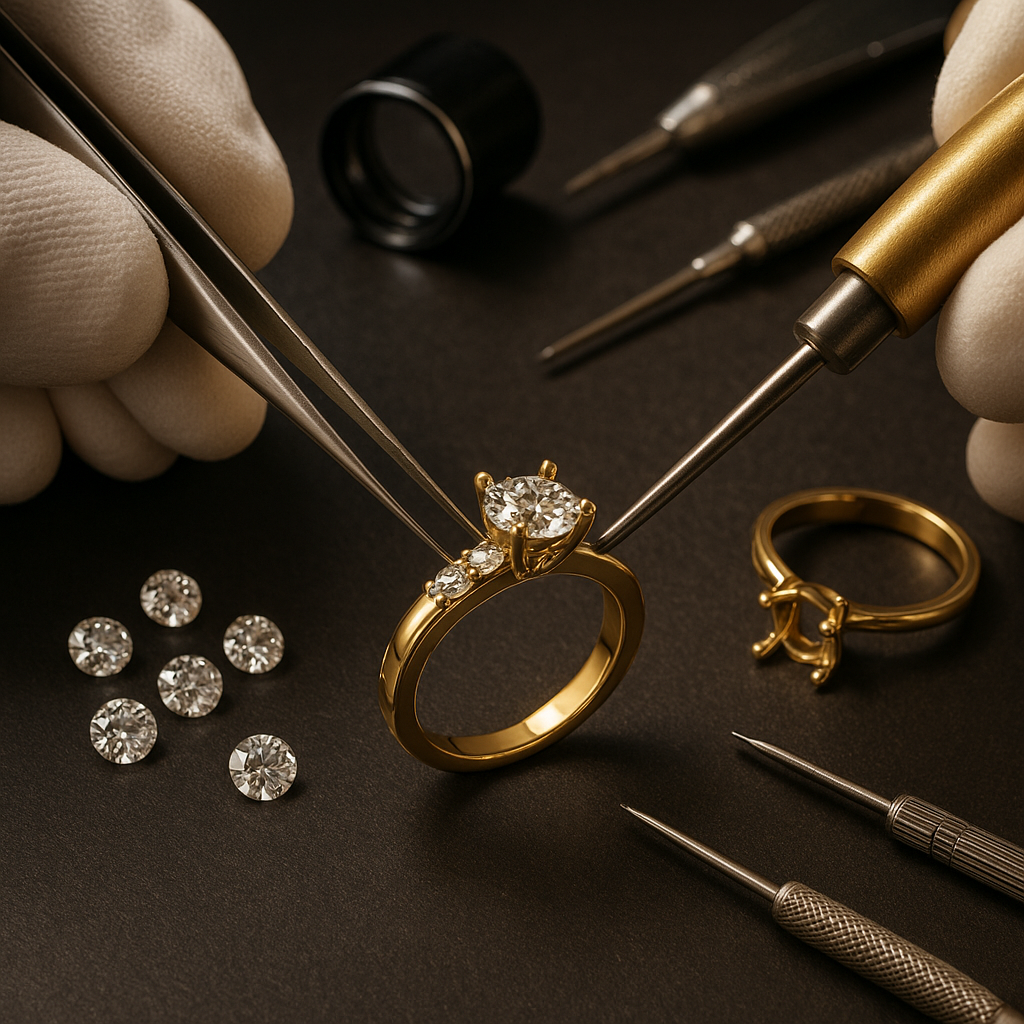
Creating diamond jewelry involves multiple specialized craftspeople working together to transform polished diamonds into wearable art. The process combines traditional techniques with modern technology to ensure quality and precision.
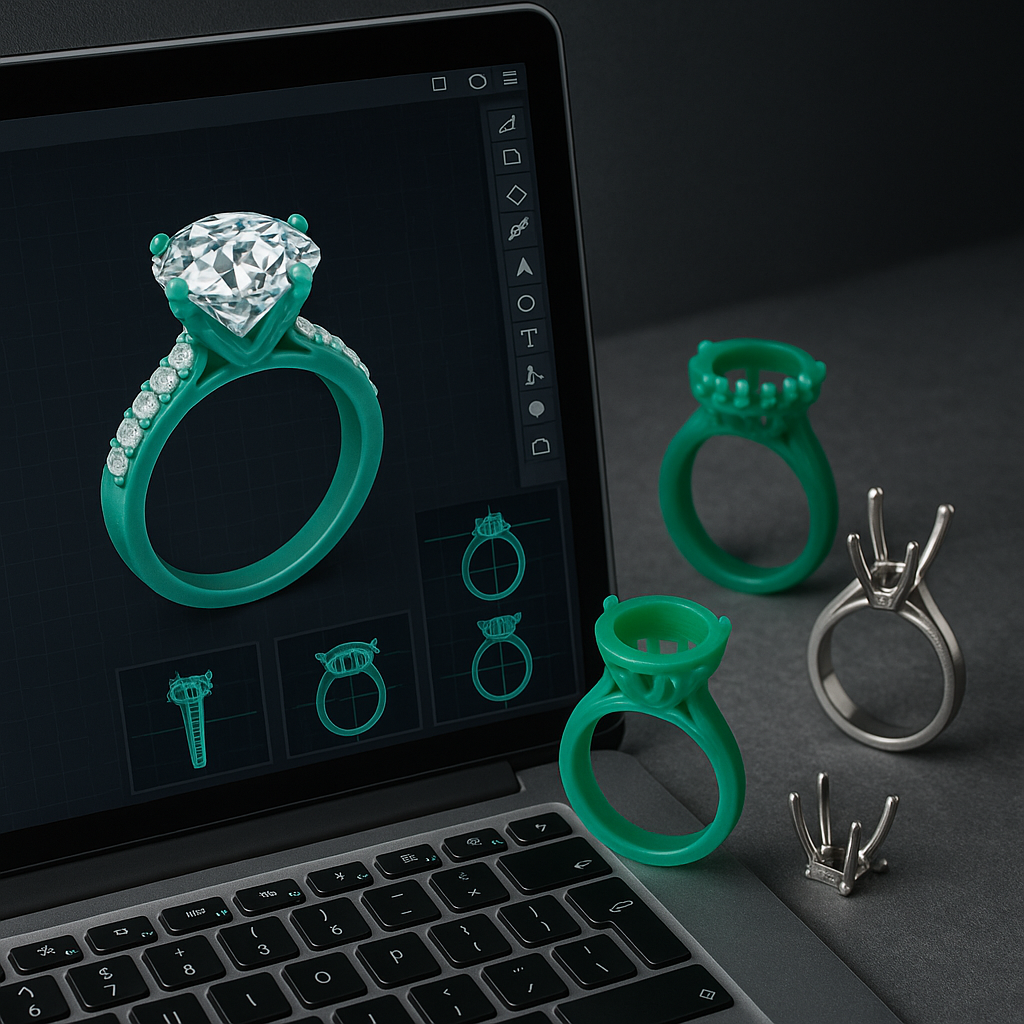
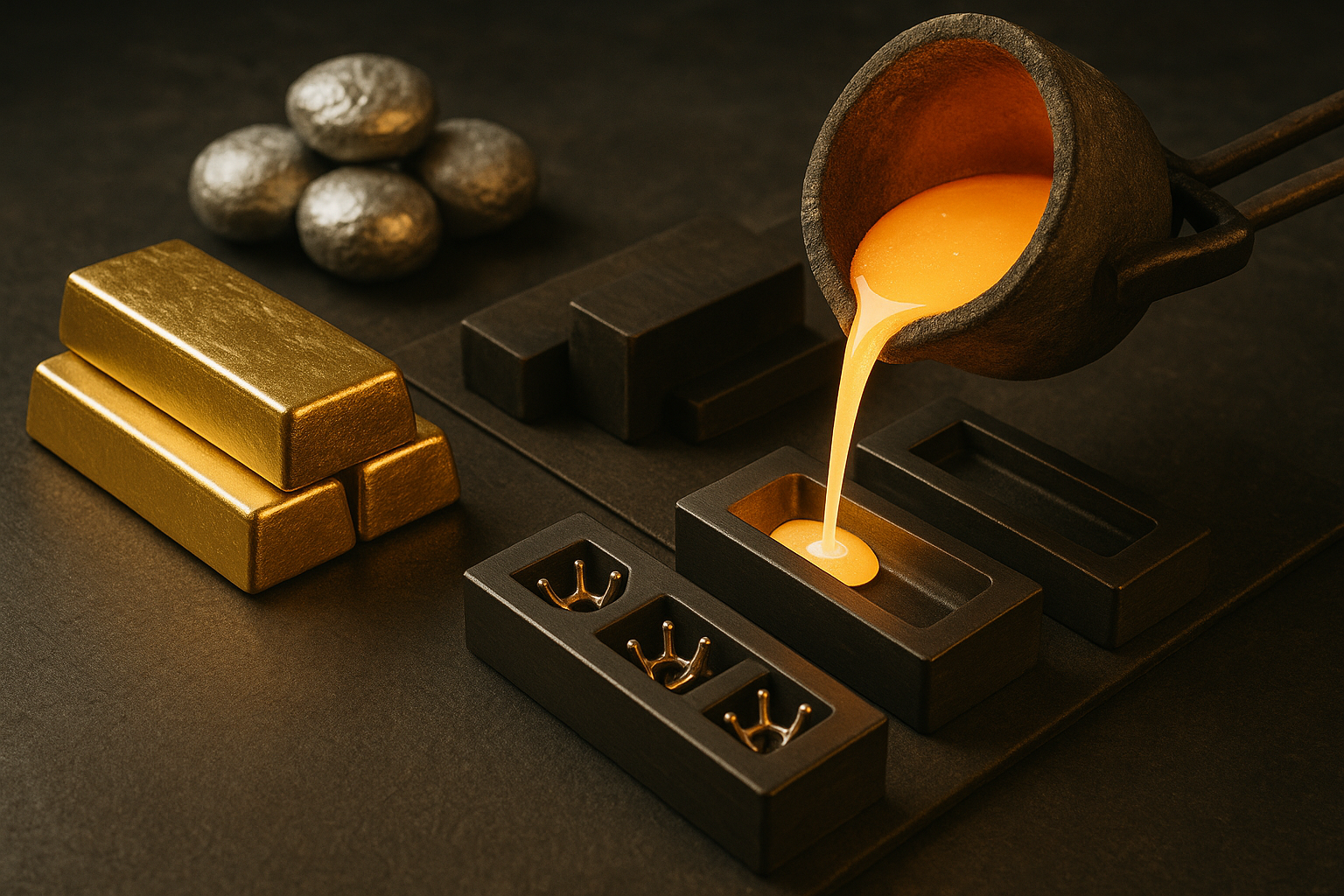
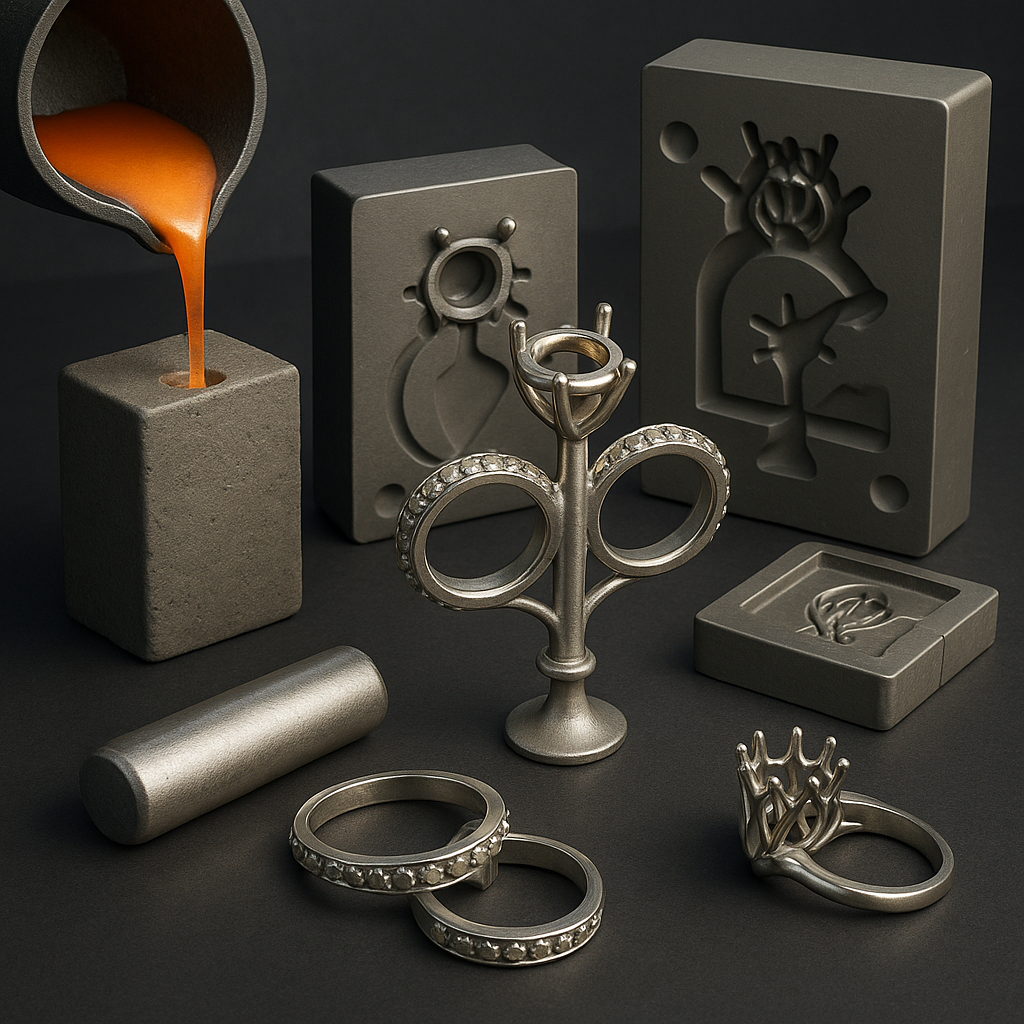
Diamond Setting Techniques
Prong Setting: The most popular method, using metal prongs to hold the diamond while allowing maximum light exposure. Master setters carefully bend and shape prongs to secure the stone without damage.
Bezel Setting: A metal rim completely surrounds the diamond's perimeter, offering excellent protection while creating a sleek, modern appearance. Requires precise fitting to ensure security.
Pave Setting: Multiple small diamonds are set closely together with minimal metal showing. Tiny metal beads or prongs hold each stone, creating a continuous sparkle effect.
Channel Setting: Diamonds are placed in a metal channel with no metal separating the stones. This technique requires extreme precision to ensure even spacing and secure fitting.
Diamond Grading & Certification
Lab-grown diamonds are evaluated using the same 4Cs grading system as natural diamonds: Cut, Color, Clarity, and Carat weight. Leading gemological institutes including the International Gemological Institute (IGI) certify lab-grown diamonds with the same rigorous standards.
Each certified lab-grown diamond comes with a detailed grading report that documents its characteristics and confirms its laboratory origin. This certification ensures you receive a diamond that meets the highest quality standards and provides complete transparency about your purchase.
The 4Cs Explained
💎 Cut
Determines brilliance and fire through precise facet angles and proportions. Grades range from Excellent to Poor.
🎨 Color
Graded from D (colorless) to G (light yellow). Higher grades indicate whiter, more valuable diamonds.
🔍 Clarity
Measures internal inclusions and external blemishes. Ranges from IF (internally flawless) to VS2(very slight).
⚖️ Carat
Precise weight measurement. One carat equals 200 milligrams, with prices increasing exponentially with size.
Ready to Explore Lab-Grown Diamonds?
Discover our collection of certified lab-grown diamonds and find the perfect stone for your special moment.
Browse Our Collection